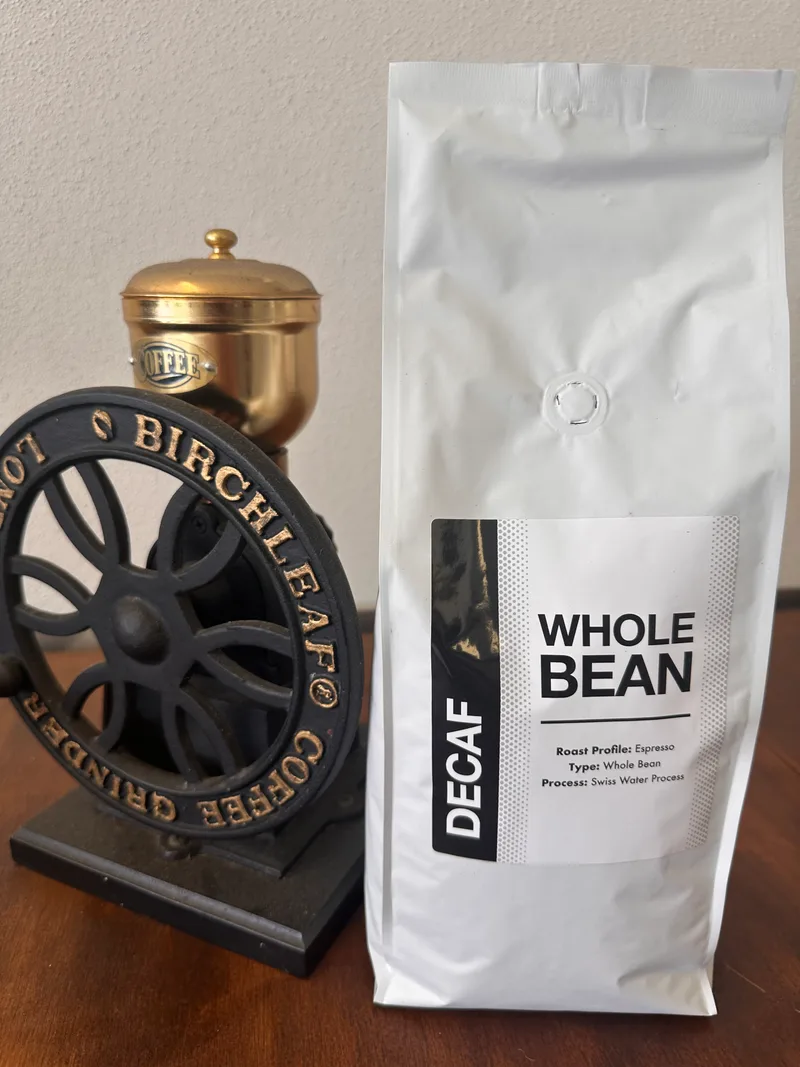
Espresso roast · whole bean
Decaf
Swiss Water ProcessAsk in store
Explore our coffee range, from Swiss Water Process decaf to espresso roasts, a bright light roast and an organic blend. Pick up in Southport and ask us about available bag sizes.
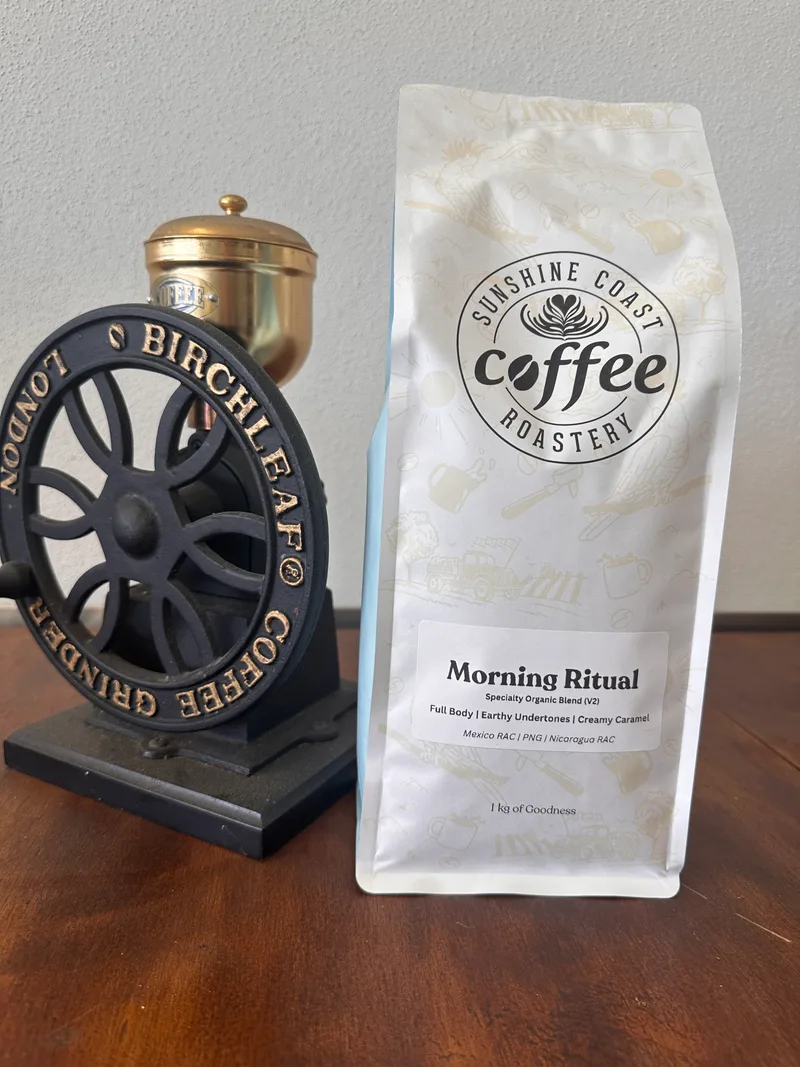
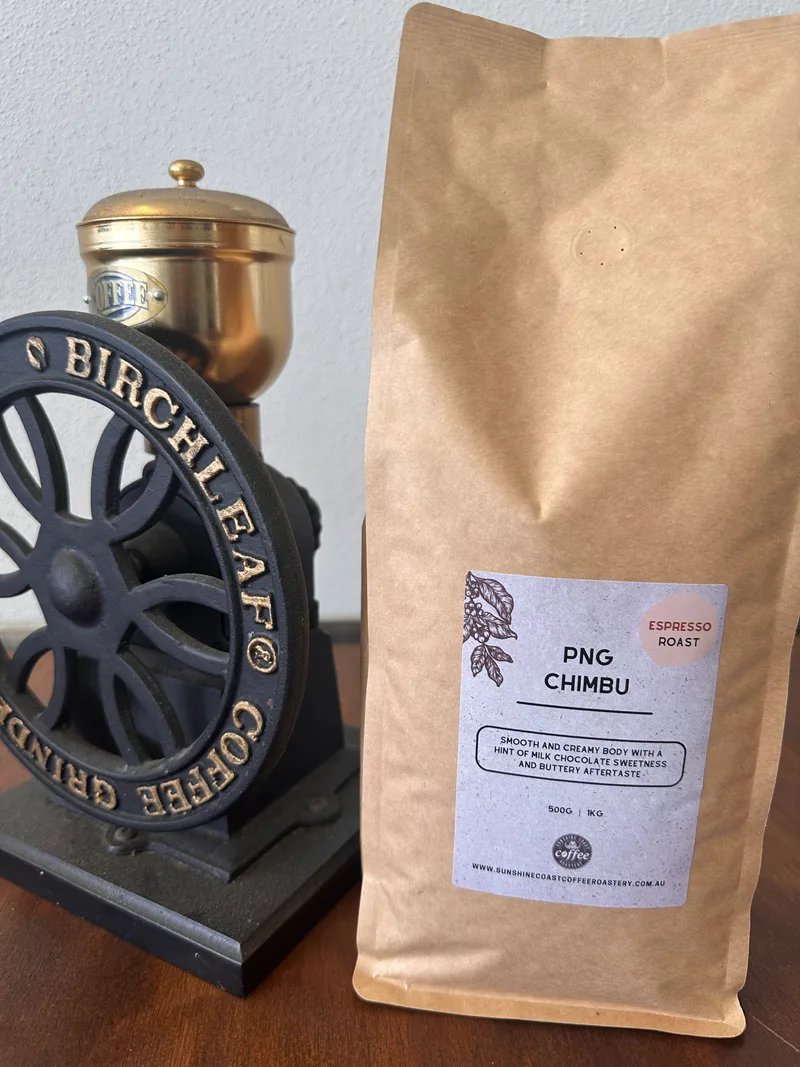
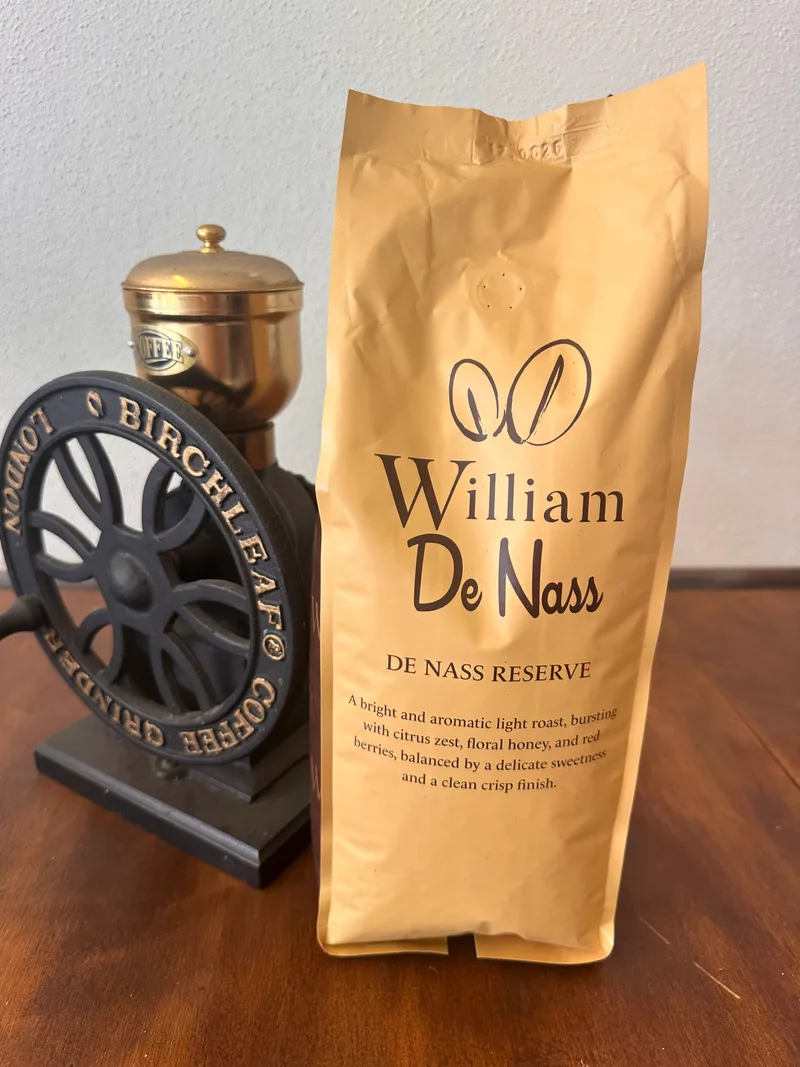
Call or text to check current stock and bag sizes, or place an order for collection in Southport.
Green coffee beans are graded at their point of origin, to that country’s standards, and must also meet internationally recognised ones. Grading looks at the botanical variety, the process, and bean size, density and weight.
The grading language varies by country. It can be a simple 1, 2 or 3, or terms like Fancy, Extra Fancy, AA, AB or AX. Central American coffees are graded by altitude:
| Grade | Altitude |
|---|---|
| Strictly High Grown | 1,200 m and above |
| High Grown | Above 900 m |
| Central Standard | 600–900 m |
A bag stamped with an origin, like Mandheling or Mocha, names a growing area that can be as big as a state. It tells you the general style, but quality and consistency vary a lot within it.
A single origin names the actual district or even the plantation. That tells you far more about the climate, soil and altitude, and it lets the coffee be traced to its grower. Roasters can then build direct relationships with the farmers.
Protech Espresso sells locally roasted coffee beans from its shop at Unit 2, 50 Johnston Street, Southport, in 500 g and 1 kg bags.
Green coffee is graded where it’s grown, using that country’s standards. Grades depend on bean size, density, process and defects. AA (Kenya, Uganda) and Supremo (Colombia) mean the largest screen sizes. Central American coffees are graded by altitude: Strictly High Grown is 1,200 m and above.
A single origin comes from one district or estate, so you taste that place’s climate, soil and altitude, and it can be traced back to the grower. A blend combines origins to build a balanced, consistent flavour, usually tuned for espresso with milk.
Yes. Call or text 0420 767 058 to talk about regular supply in 1 kg bags.